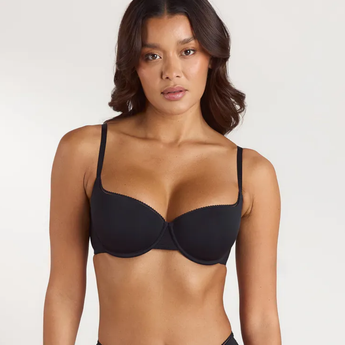
There’s nothing better than a day in the sun, lounging by the pool or lying on the beach in your favourite swimwear. But sun, sand, sea, and chlorine can all take their toll on your bikinis and swimsuits. Our handy guide shows you how to properly wash, care for, and maintain your swimwear, helping to keep your favourite sets looking fresh and lasting longer.
The Best Way To Wash Swimsuits & Bikinis
- Rinse swimwear with fresh water after wearing.
- Fill a sink with lukewarm water and add a small amount of mild detergent.
- Submerge your swimwear and soak for a few minutes.
- Rinse thoroughly with clean water to remove all soapy residue.
- Gently squeeze out excess water - never wring.
- Lay flat in the shade to air dry
Swimwear fabrics are designed to stretch, sculpt, and hold their shape, but they’re also delicate. Taking a gentler approach when washing helps protect the elasticity and prevents colours from fading over time. Hand washing in cool water is the safest way to remove chlorine, salt, sunscreen, and oils without putting stress on the fibres. By avoiding heat and harsh handling, you’ll keep your bikini or swimsuit fitting and looking like new for longer.
Can You Put Swimwear in the Washing Machine?
Hand washing is the recommended way to clean your swimsuit. Even a delicate cycle in the washing machine can be tough on the specialised fabric that swimwear is made from.
Most swimwear is made from elastane, which is highly sensitive to heat and harsh chemicals. Chlorine and high temperatures break down these fibres over time, leading to loss of stretch and shape.
While some swimsuits are designed to handle machine washing, we recommend sticking to hand washing to help your swimwear last longer.

How Often Should You Wash Swimwear?
Rinse your swimsuit after every wear, even if you didn’t actually go swimming. Whether you’ve been in the ocean, lounging by the pool, or just soaking up the sun at the beach, a quick rinse in fresh, cold water helps wash away chlorine, body oils, and sunscreen. This simple step keeps your swimwear looking great and lasting longer.
What Is The Best Way To Dry Swimwear?
Drying swimwear properly is essential to preserve its shape, elasticity, and colour. The best approach is to let your swimsuit air-dry naturally, laying it flat to prevent stretching and maintain its form.
While it may be tempting to leave it in the sun, direct sunlight can fade the colours, so it’s better to dry it in the shade or indoors. Avoid using a dryer, iron, or any direct heat source, as high temperatures can damage spandex or elastane fibres, causing the swimsuit to lose its elasticity.
How To Get Sand Out of Bathing Suits?
If you’re spending time on the beach, sand can easily get trapped in the lining and seams of your swimwear. The best way to remove sand from swimwear after a day at the beach is to rinse your bikini in clean water, then let it dry out completely so the sand loosens from the fabric fibres.
Once dry, give your swimwear a good shake and gentle brush, paying attention to the seams where sand often collects. You can also use a hairdryer on a cool setting to help blow any remaining sand away.

How To Get Sunscreen Out of Swimwear?
Suncream is essential when it comes to protecting our skin from the sun, so it is important to wear it when wearing a swimsuit or bikini. However, whilst we love it for blocking harmful UV rays, it can leave greasy, oily stains on swimwear and clothing.
One of the most effective ways to remove sunscreen from swimwear is to spot-treat the stain with a gentle cleaning solution, such as baking soda or a mild detergent, before washing. For more stubborn marks, use a soft microfibre cloth to gently work the product into the fabric, helping to lift the oily residue without damaging the material.
To help prevent sunscreen stains in the future, allow suncream to fully absorb into your skin before putting on your swimwear. This simple step can reduce the amount of product transferring onto the fabric and help keep your swimwear looking its best.
How To Store Your Swimwear?
Make sure your swimwear is completely dry before storing it. Store flat in a drawer, avoid tight folding, and keep away from damp areas. Proper storage maintains elasticity, prevents mildew, and helps your swimsuits stay in excellent condition, season after season.